
Pokémon Pokopia Released!
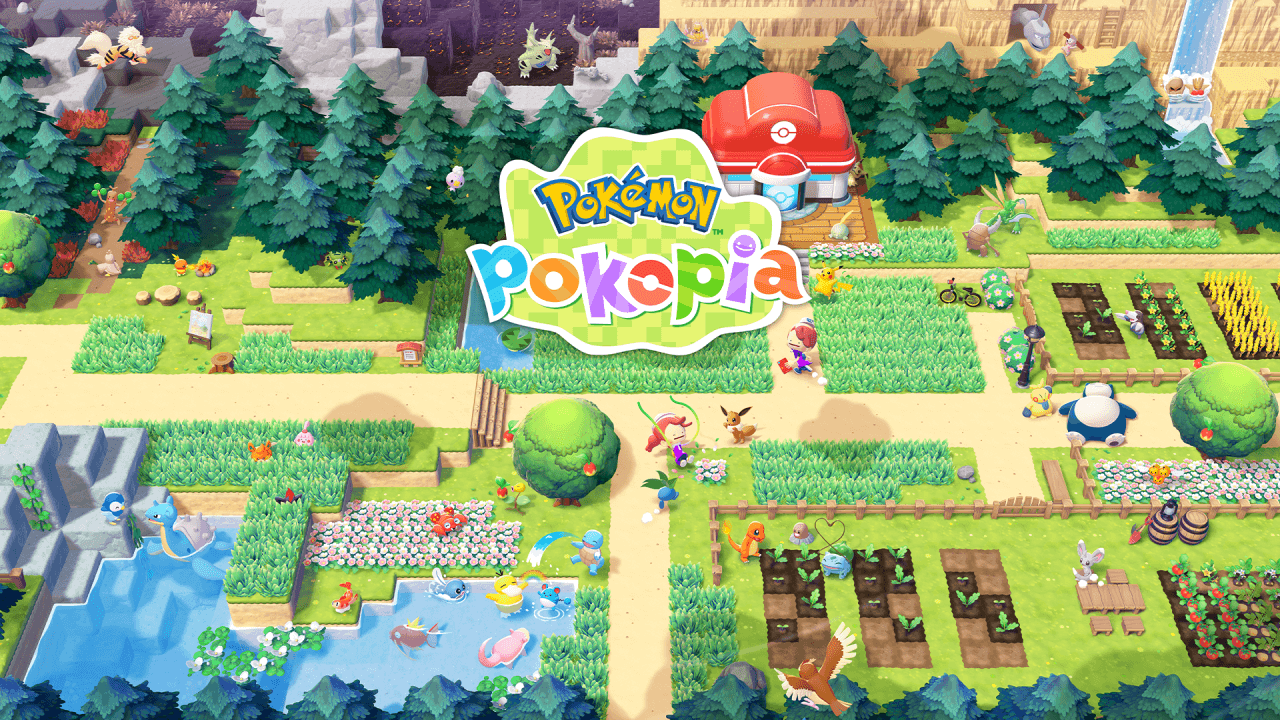
The Pokémon franchise has explored many genres over the decades, from classic role-playing adventures to photography simulators and strategy spin-offs. With the release of Pokémon Pokopia, the series once again experiments with a new direction, offering players a relaxing life-simulation experience centered around creativity, exploration, and cooperation with Pokémon.
Unlike traditional entries developed by Game Freak and published by Nintendo and The Pokémon Company, Pokopia shifts the focus away from competitive battles and toward building a thriving Pokémon community. The result is one of the most unusual Pokémon spin-offs in recent years, blending sandbox gameplay with the charm and familiarity of the Pokémon universe.
But what exactly makes Pokémon Pokopia different? From its console exclusivity to its unique gameplay systems, the game represents a bold step in expanding what a Pokémon game can be.
Pokémon Pokopia Release Date and Console Exclusivity
Pokémon Pokopia launched globally on March 5, 2026 as a console exclusive for the Nintendo Switch 2, the newest generation of Nintendo hardware.
The decision to release the game exclusively on Nintendo Switch 2 is significant for several reasons. First, it strengthens the launch lineup for Nintendo’s latest console, giving Pokémon fans a compelling reason to upgrade. Pokémon titles have historically been among the most influential system-selling games on Nintendo platforms, and Pokopia continues that tradition by showcasing the capabilities of the new hardware.
While the franchise has appeared on multiple Nintendo systems over the years—including the massively successful Nintendo Switch—Pokopia takes full advantage of improved processing power, enhanced online features, and smoother performance.
The game was also developed with collaboration from additional studios beyond Game Freak, bringing new creative perspectives to the franchise.
For many players, the exclusivity has become one of the most discussed aspects of the game’s release. Some fans welcome the focus on a single platform because it allows developers to optimize performance, while others would prefer the flexibility of cross-platform availability.
Regardless of the debate, Pokopia’s exclusivity positions it as one of the key early titles designed specifically to showcase the Switch 2 ecosystem.
A New Direction for the Pokémon Franchise
Since the debut of Pokémon Red and Blue in the 1990s, the main Pokémon games have followed a familiar formula: players explore a region, capture Pokémon, defeat gym leaders, and eventually challenge a champion.
Pokémon Pokopia breaks away from that structure almost entirely.
Instead of focusing on competitive battles and league progression, Pokopia introduces a life-simulation gameplay model where players focus on creating a welcoming environment for Pokémon to live in.
Players begin the game controlling a unique character—a Ditto disguised as a human—tasked with restoring a neglected environment and building a community where Pokémon can coexist peacefully.
This narrative twist sets the tone for the entire experience. Rather than striving to become the strongest trainer, the player becomes a caretaker and builder, shaping the world in collaboration with Pokémon companions.
The result is a much slower, more contemplative experience compared to the action-driven pacing of traditional Pokémon games.
Key Gameplay Mechanics in Pokémon Pokopia
Pokémon Pokopia introduces several mechanics that distinguish it from previous entries in the franchise.
These systems combine elements from life simulators, sandbox games, and resource-management titles.
Building and Crafting Systems
At the core of Pokopia is a robust building and crafting system.
Players gather resources such as:
- wood
- stone
- plants
- minerals
These materials can then be used to construct homes, decorate the environment, and create facilities that attract new Pokémon residents.
The building system encourages creativity and experimentation. Players can customize landscapes, place structures, and design unique habitats suited for different Pokémon species.
This approach makes the world feel personal and dynamic, allowing each player’s environment to evolve differently over time.
Learning Abilities From Pokémon
One of the most innovative features of Pokopia is the ability for players to learn abilities from Pokémon companions.
Instead of traditional battle moves, these abilities serve as tools that help shape the environment.
For example:
- Grass-type Pokémon can help grow vegetation.
- Water-type Pokémon can restore lakes and rivers.
- Electric-type Pokémon can power structures or machinery.
This mechanic transforms Pokémon moves from combat tools into interactive environmental abilities, reinforcing the game’s focus on cooperation rather than competition.
A Growing Pokémon Community
As players expand their environment, more Pokémon gradually appear and decide to settle in the community.
Each new resident brings unique interactions and potential gameplay benefits. Some Pokémon may help gather resources more efficiently, while others unlock new building options or decorative elements.
Over time, the once-empty world becomes a vibrant ecosystem filled with Pokémon personalities and activities.
This progression system keeps players engaged while emphasizing the theme of building a shared world.
Multiplayer and Social Features
Pokémon Pokopia also introduces cooperative gameplay, allowing players to build and explore together.
Up to four players can collaborate online, sharing resources and helping each other develop their environments.
Multiplayer adds a social element to the experience, turning Pokopia into something closer to a collaborative sandbox than a traditional single-player RPG.
Friends can visit each other’s towns, compare designs, and work together to create larger and more complex settlements.
For fans who enjoy social gameplay experiences, this cooperative mode significantly expands the replay value of the game.
Visual Style and Atmosphere
One of the most immediately noticeable aspects of Pokopia is its visual style.
The game adopts a colorful, cozy aesthetic designed to emphasize relaxation and exploration. Environments are bright and inviting, with soft lighting and detailed landscapes that highlight the natural beauty of the Pokémon world.
Weather effects and a dynamic day-night cycle also contribute to the atmosphere, making the world feel alive and constantly changing.
This design philosophy aligns perfectly with the game’s slower pace and community-building focus.
Early Reviews and Community Reactions
Early reactions to Pokémon Pokopia have been largely positive.
Many critics praise the game for its refreshing take on the Pokémon formula and its relaxing gameplay loop.
Reviewers often highlight:
- the creative building mechanics
- the charming interactions with Pokémon
- the calming atmosphere of the game world
Some players have compared the experience to popular life-simulation titles that emphasize creativity and relaxation rather than intense competition.
However, the game has also sparked discussion among longtime Pokémon fans. Some players miss the classic structure of gym battles, tournaments, and competitive training.
Because Pokopia moves away from those traditional mechanics, it may feel unfamiliar to players who prefer the classic RPG format.
Despite these debates, most reviewers agree that Pokopia succeeds in expanding the possibilities of the Pokémon franchise.
Why Pokémon Pokopia Matters for the Series
Spin-off games have always played an important role in the Pokémon universe.
Titles such as Pokémon Snap and Pokémon Mystery Dungeon demonstrated that the franchise could thrive outside the traditional RPG structure.
Pokémon Pokopia continues that tradition by exploring a genre rarely associated with Pokémon: life simulation.
The game highlights a different side of the Pokémon world—one focused on coexistence, creativity, and environmental storytelling.
By experimenting with new mechanics and narrative ideas, Pokopia helps ensure that the Pokémon franchise continues evolving rather than repeating the same formula indefinitely.
Final Thoughts
Pokémon Pokopia is one of the most experimental Pokémon spin-offs released in recent years. Its combination of life-simulation gameplay, environmental interaction, and cooperative building mechanics creates a unique experience that stands apart from traditional Pokémon titles.
While the game’s exclusivity on the Nintendo Switch 2 may limit its immediate audience, it also positions Pokopia as a flagship example of what the new hardware can offer.
Whether players are longtime Pokémon fans or newcomers interested in relaxing sandbox experiences, Pokopia represents a fascinating new direction for the franchise.
And if its early reception is any indication, this bold experiment may influence the design of future Pokémon spin-offs for years to come.